Loading…
Welcome to Industrial Cleaners Direct
ContactWelcome to Industrial Cleaners Direct
ContactThree degreaser chemistries — how to match one to your substrate and program
ICD stocks degreasers in three chemistry families — high-alkaline caustic, d-limonene citrus, and non-caustic surface-safe — because the right one depends on what you are cleaning and what your wastewater and substrate can tolerate, not on a single "strongest" answer.
This is an internal, factual comparison across ICD categories. It is not a performance ranking: it lines up the neutral tradeoffs (substrate fit, hazard handling, product form) so you can choose. Review the SDS for every product before ordering.
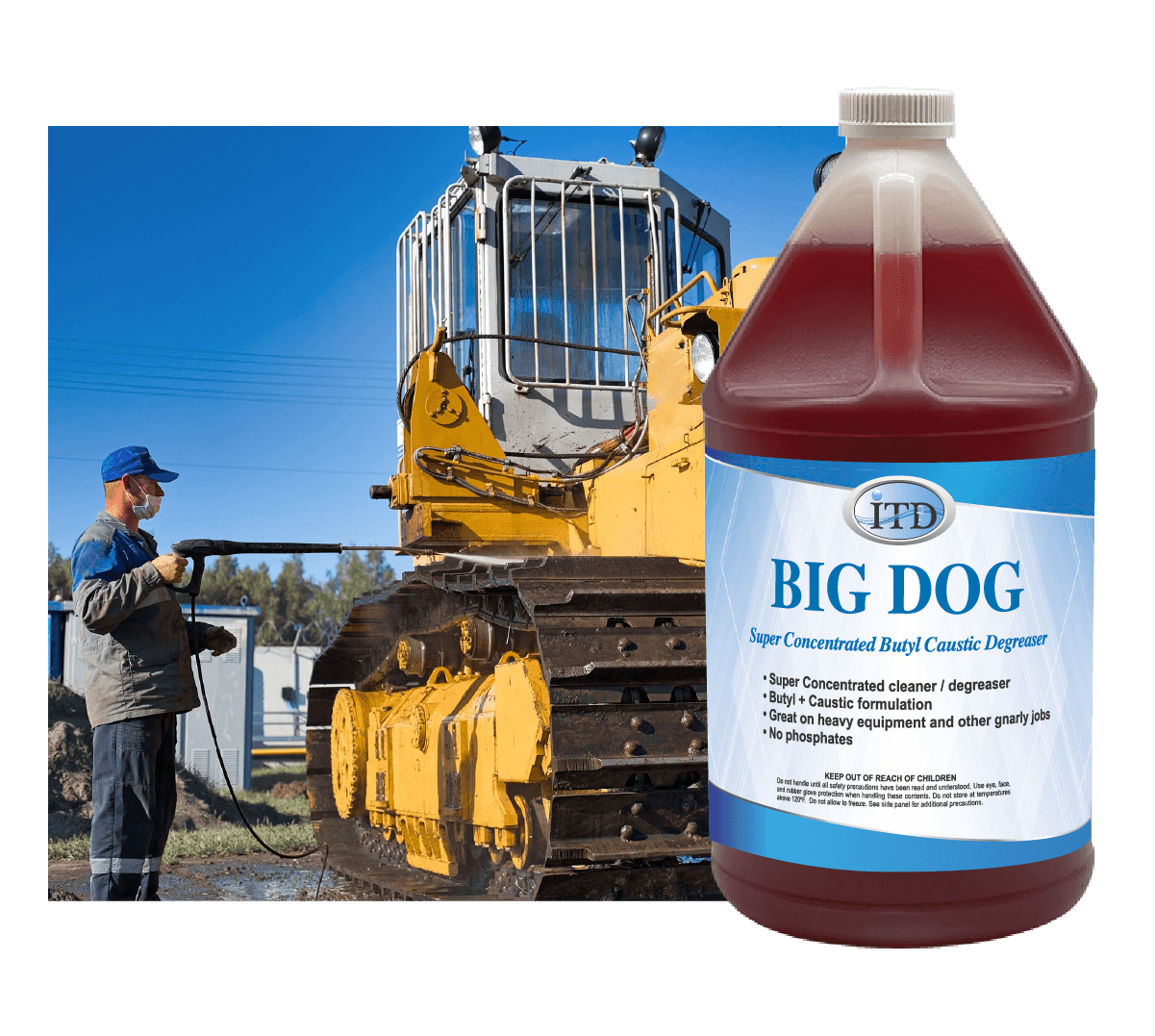
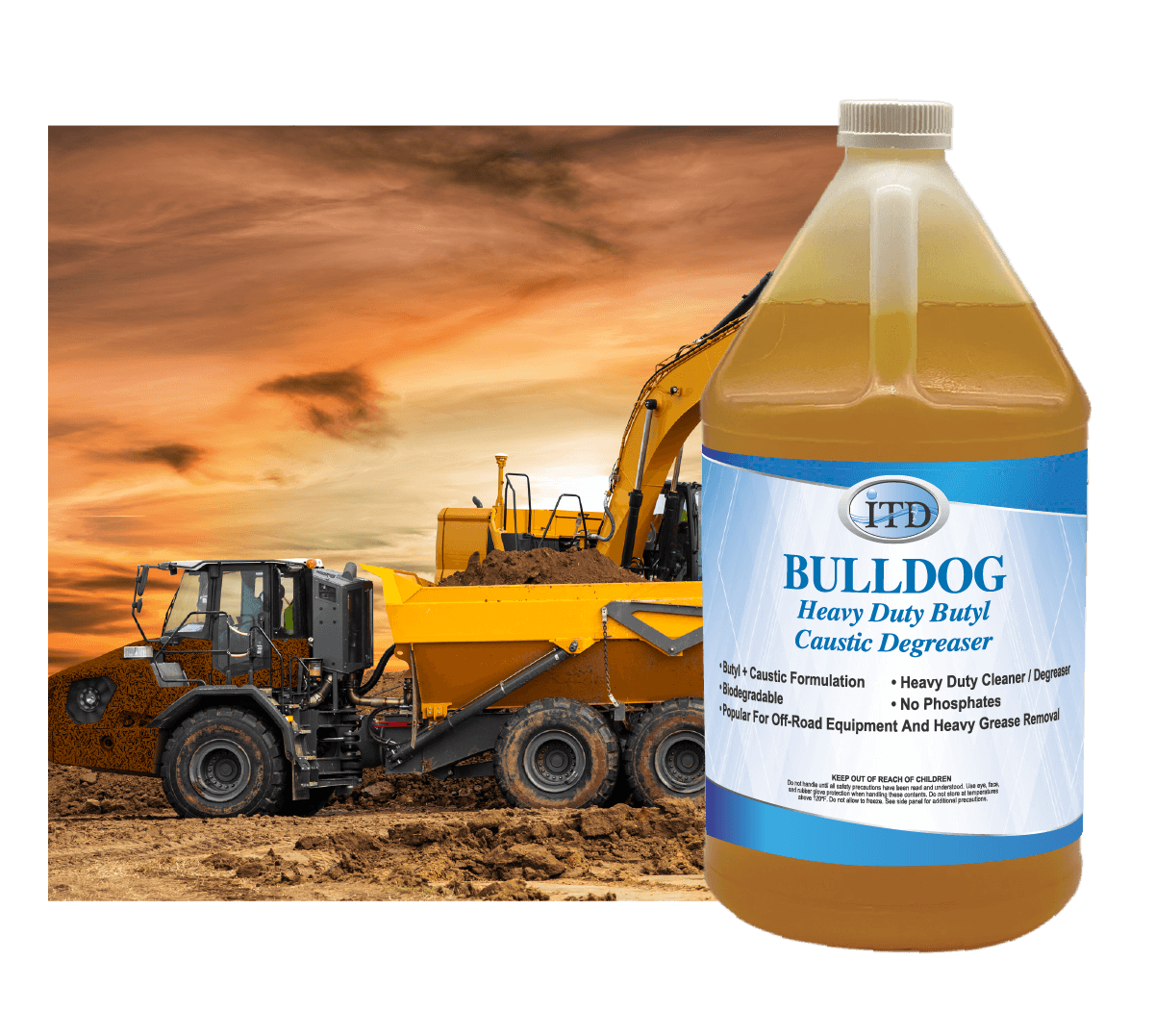
High-alkaline chemistry for the heaviest baked-on grease, carbon, and protein soils.
Browse caustic degreasersd-Limonene and surfactant blends, often a lower-odor option for grease and adhesive residue.
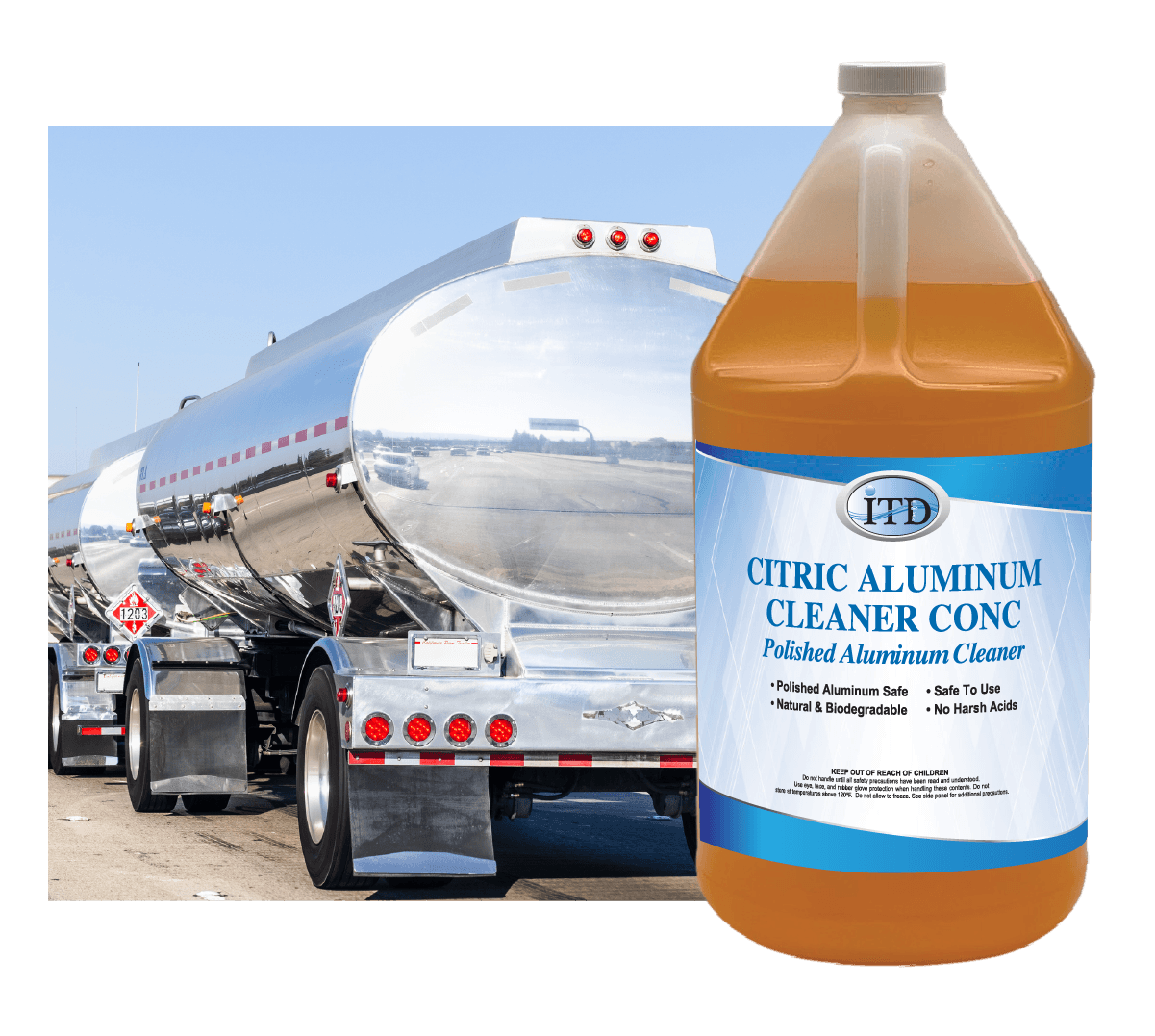
Browse citrus degreasersSurface-safe chemistry that protects aluminum, soft metals, and painted surfaces.
Browse non caustic degreasers| Dimension | Caustic Degreasers | Citrus Degreasers | Non-Caustic Degreasers |
|---|---|---|---|
| Chemistry family | High-alkaline (caustic) | d-Limonene / solvent-boosted | Non-caustic, lower-alkalinity |
| Typical substrate fit | Steel and hard surfaces with severe soils | General maintenance, ink, and adhesive residue | Aluminum, soft metals, and painted/coated surfaces |
| Common use case | Heavy manufacturing, rendering, equipment reconditioning | Print shops, automotive, general shop cleaning | Transportation, sensitive substrates, lower-hazard programs |
| Product form | Concentrate | Concentrate or ready-to-use | Concentrate or ready-to-use |
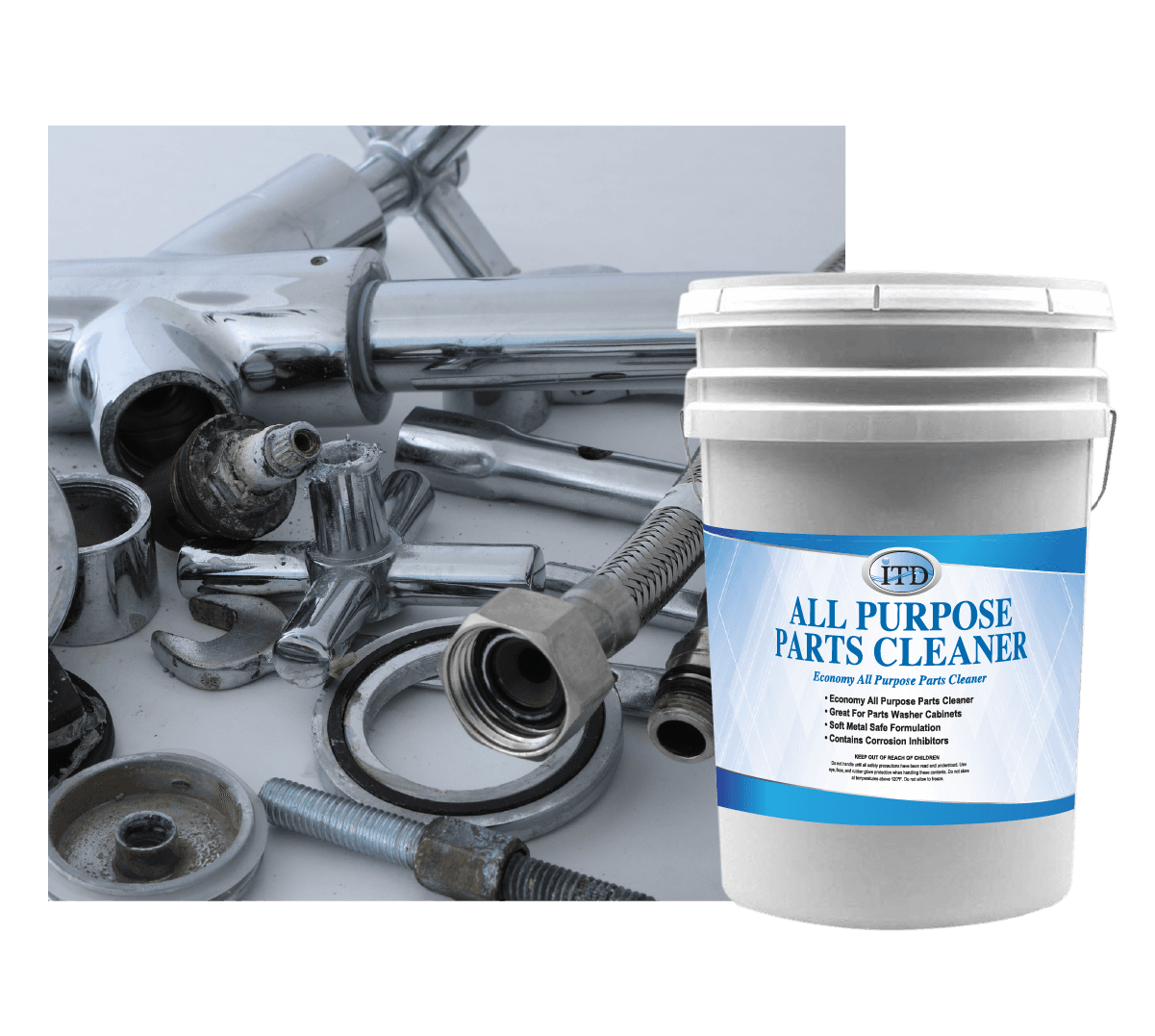
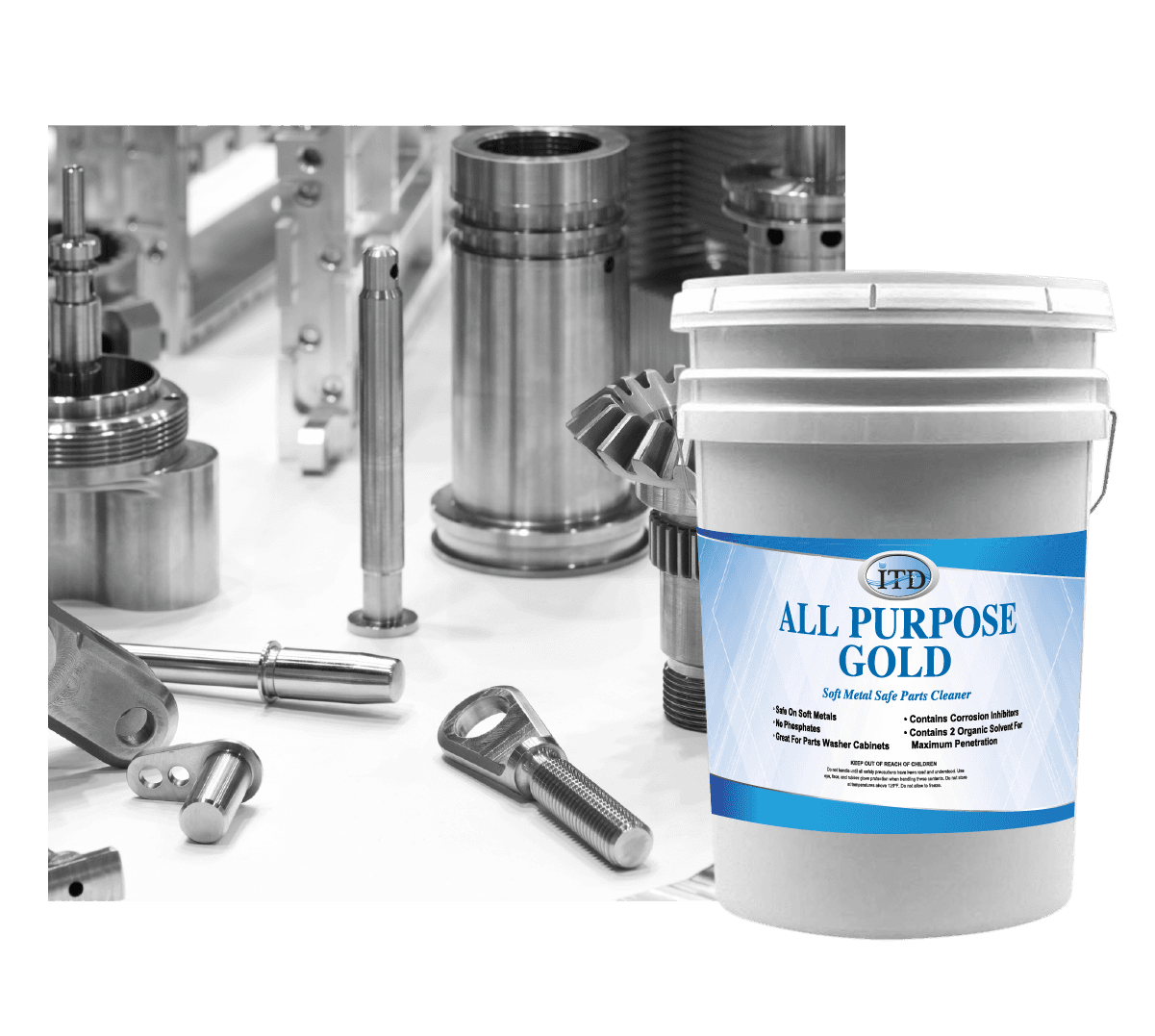
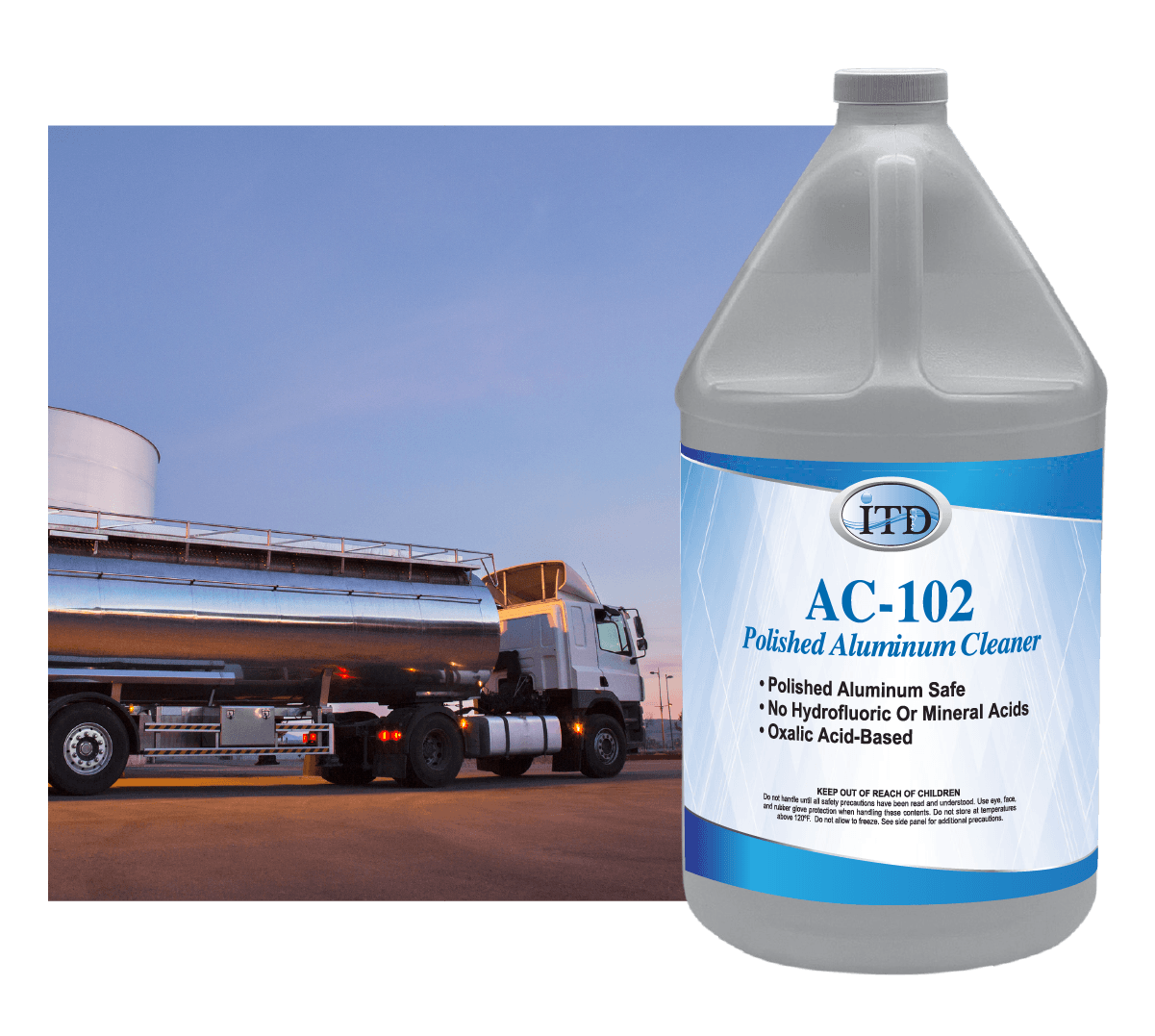
Non-caustic, surface-safe degreasers are formulated to protect aluminum, soft metals, and painted surfaces where high-alkaline chemistry could etch or dull them. Each product page lists its chemistry; confirm substrate compatibility on the SDS.
This is a neutral, internal comparison of product forms and chemistries — not a performance ranking. For any disinfection, kill-claim, or hazard question, follow the directions and contact time on the product label and the Safety Data Sheet for the specific SKU.
ICD is quote-first. Add MOQ-valid quantities to a quote request and our team confirms account pricing and freight before you commit — there is no cart checkout or public retail price.
Every product links its Safety Data Sheet hosted on ICD, with ITD listed as the manufacturer. Review the SDS for handling, PPE, hazard, and dilution guidance before you request a quote.
Still deciding which option fits your operation? Build a quote with MOQ-valid quantities and our team will help you spec it, or apply for an account.
This is a neutral, factual comparison of ICD product forms and chemistries to help you choose what fits your operation — not a performance ranking. For disinfection, kill-claim, or hazard questions, follow the product label and the Safety Data Sheet for the specific SKU.
| Handling note |
|---|
| Highest-alkalinity PPE — defer to the SDS |
| Review the SDS for handling and ventilation |
| Review the SDS; chosen to protect substrates |
| SDS on file | Yes — on ICD | Yes — on ICD | Yes — on ICD |
|---|